From 50 people and spreadsheets to a self-running lead platform
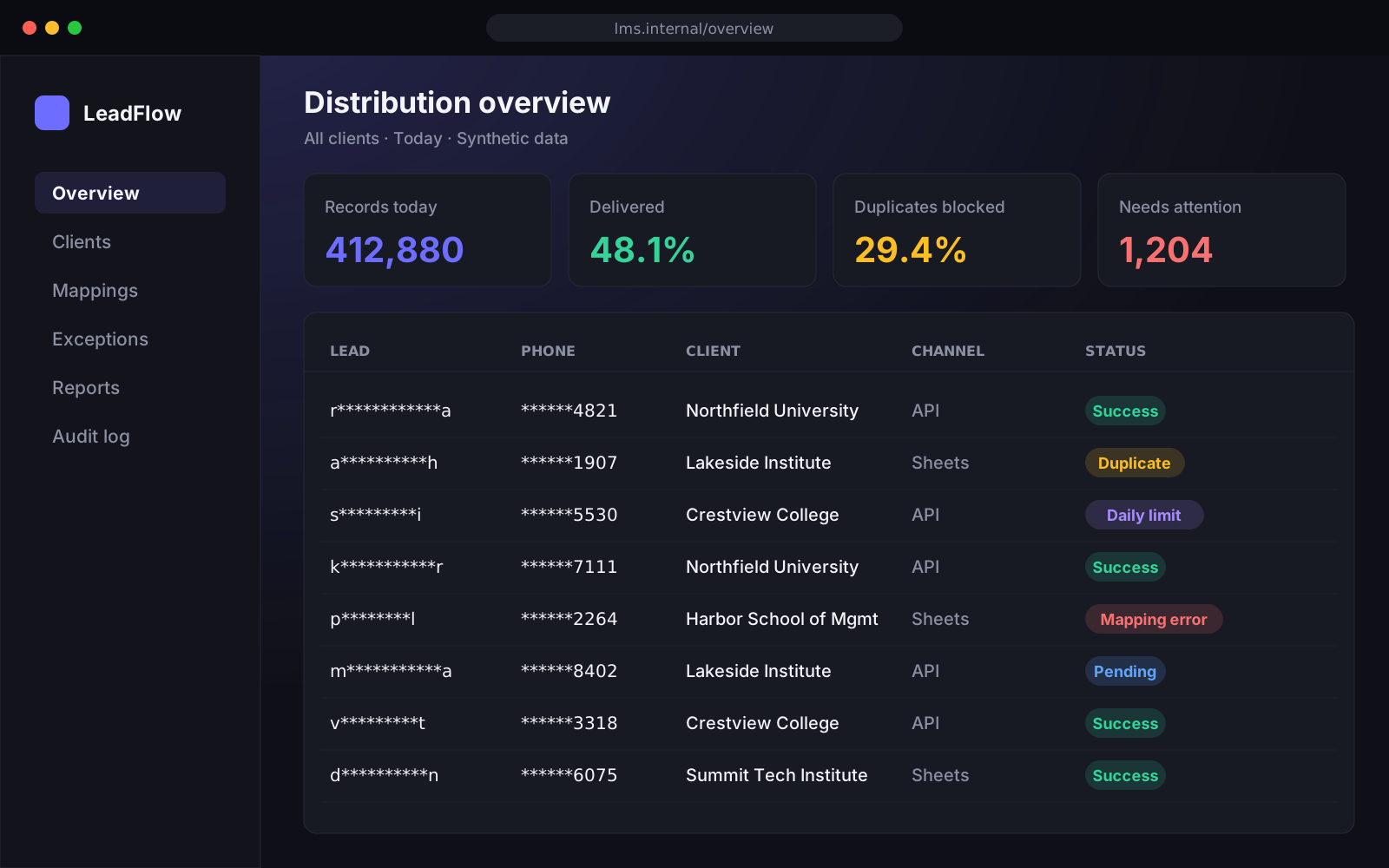
Delivery dropped from 1–2 hours to under 5 minutes, with about 75% fewer people running ops.
- 1–2h → 5m
- client delivery time
- ~75%
- fewer people needed to run ops (40–50 → 10–12)

Open to PM / AI PM roles · 2026
Product Manager at KollegeApply, previously Collegedunia. 5 years in EdTech & B2B SaaS. I have also shipped 3 applied-AI products, focused on evaluation, reliability and cost.

Impact
Client delivery time
Clients at peak
Indexed pages
Leaner lead operations
Selected work
Delivery dropped from 1–2 hours to under 5 minutes, with about 75% fewer people running ops.
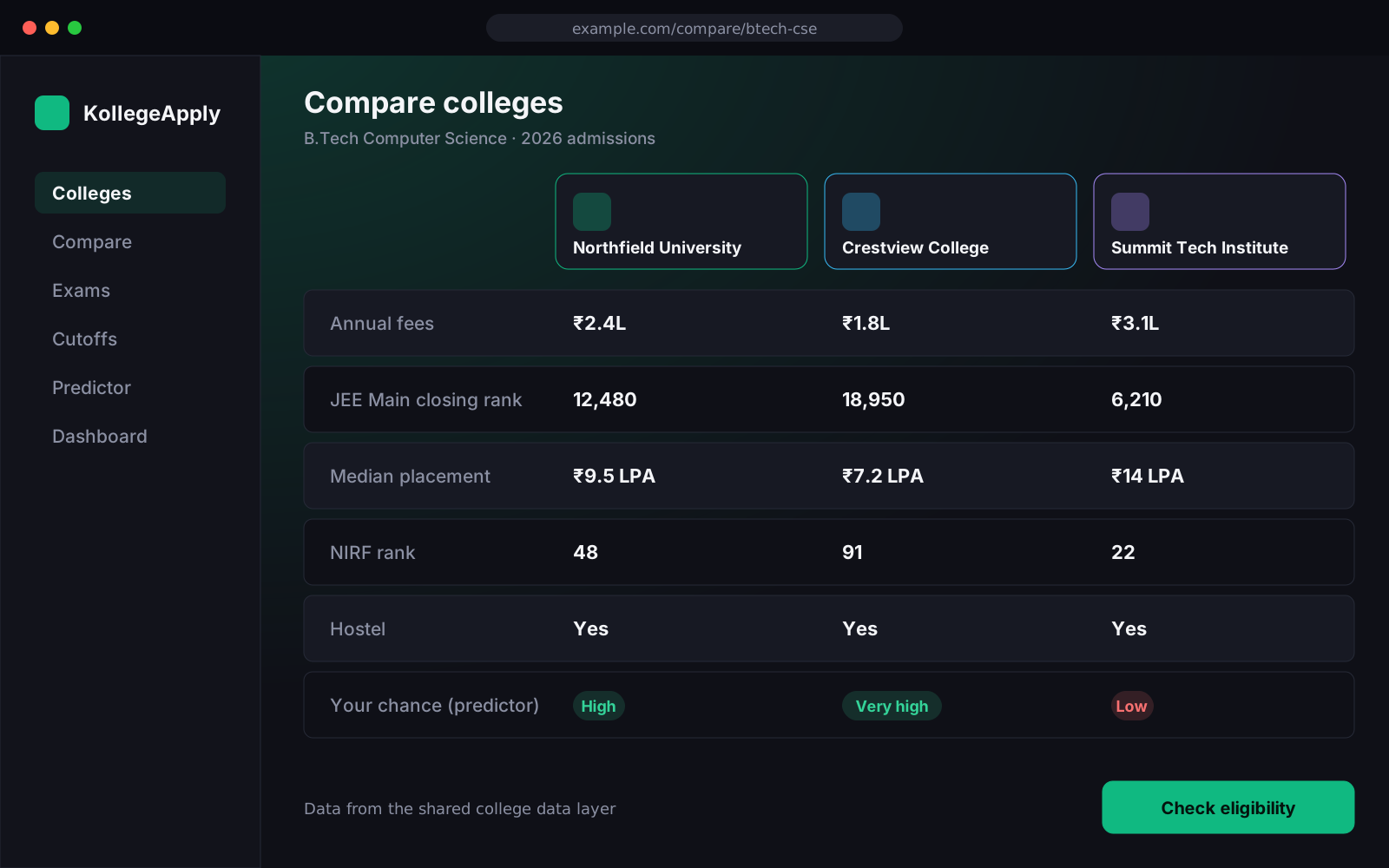
Indexed pages doubled to 300K+, and content processing dropped from 4 hours to 10 minutes.
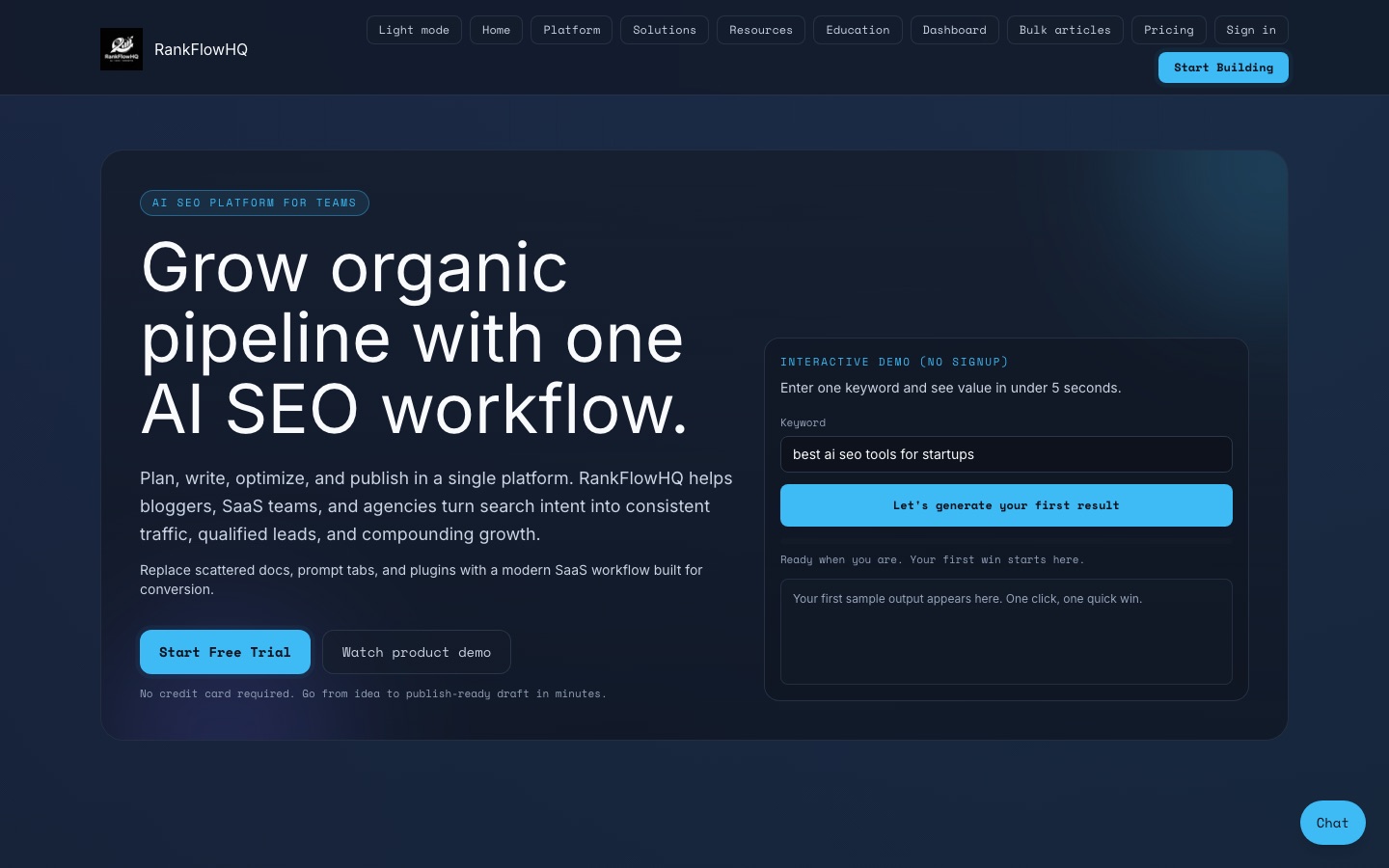
RankFlowHQ (AI SEO workflow), its Education Hub, and HarshOnRoads (grounded AI trip planner). All three are live.

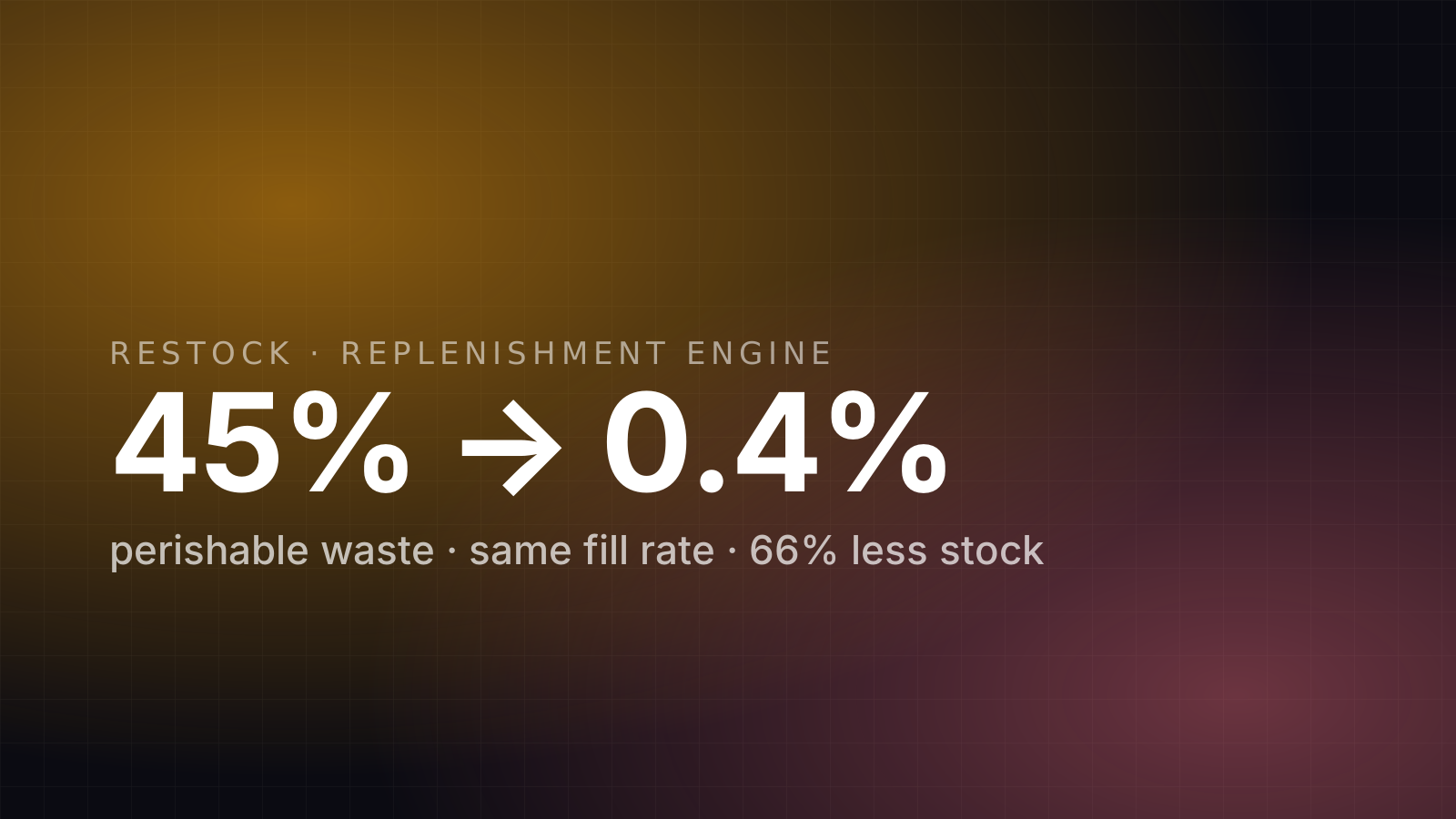
An explainable replenishment engine, benchmarked on a simulator before any pilot: same fill rate as the best spreadsheet with 66% less inventory.
How I work
I trace the workflow first: where time disappears, where the numbers disagree, and which decision the product has to change.
At KollegeApply the constraints were traffic quality, lead volume, and content throughput, so the roadmap started there.
The CMS change that took processing from 4 hours to 10 minutes shipped as a narrow loop, not a platform rewrite.
Each slice had an owner, a metric, and a way to turn it off if the number moved the wrong way.
A 3.6x traffic chart only counts if those sessions become qualified demand, not just more pages in analytics.
I keep the growth number next to the operational one: records processed, clients live, minutes saved.